Business growth creates new opportunities, but it also creates new management challenges.
When a business is small, owners may be able to manage operations using notebooks, spreadsheets, messaging apps, or several separate software tools. But as customers, employees, transactions, branches, and products increase, these methods become harder to control.
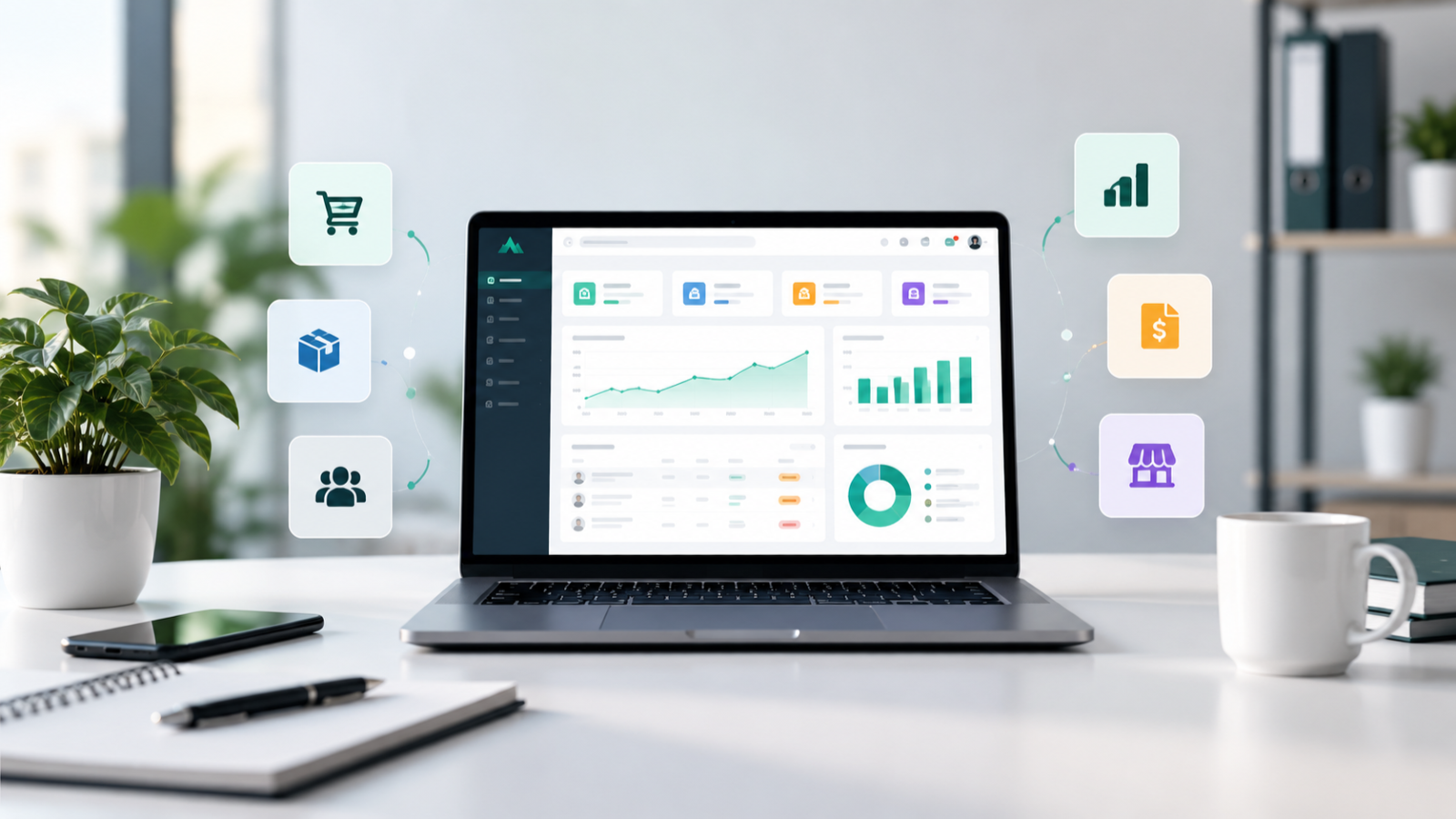
A custom management system helps organize important business operations in one centralized platform.
1. Centralize Business Information
One of the biggest problems growing businesses face is scattered information.
Sales may be recorded in one place, expenses somewhere else, inventory in another file, and customer balances in separate records.
A management system brings this information together.
Depending on the business, the system can manage areas such as:
Sales
Purchases
Inventory
Customers
Suppliers
Expenses
Employees
Payments
Receivables
Reports
Branches
User activities
Instead of searching through different records, management can access important information from one system.
2. Reduce Manual Work
Manual processes consume time and increase the possibility of mistakes.
Employees may need to calculate totals manually, prepare reports repeatedly, update several records, or enter the same information more than once.
A custom management system can automate many of these activities.
For example, when a sale is recorded, the system may automatically update inventory, customer balances, financial records, and reports.
This reduces repetitive work and allows employees to focus on more important responsibilities.
3. Improve Business Visibility
Business owners need to understand what is happening inside their company.
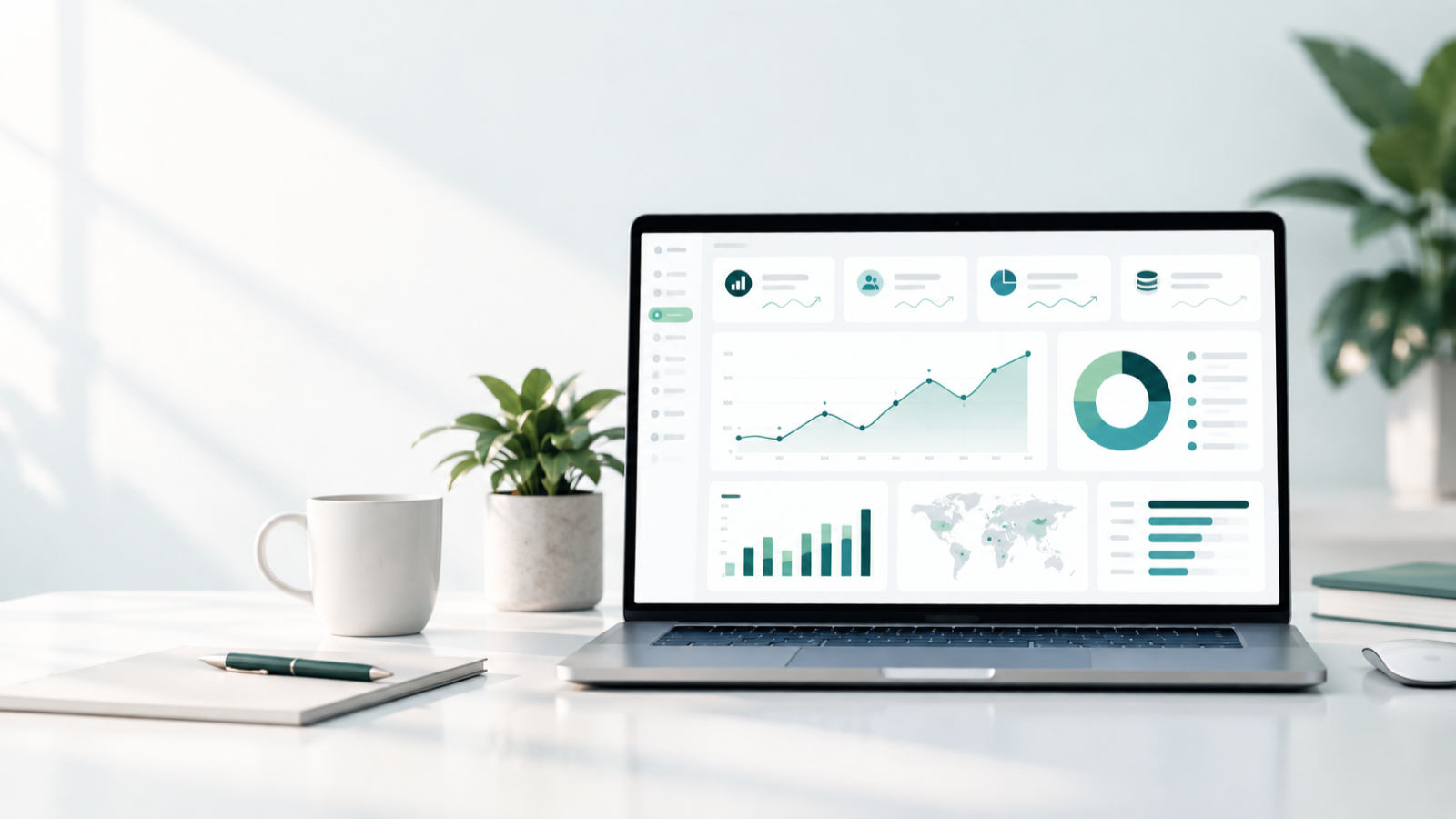
A properly designed management system can provide dashboards and reports showing important information such as:
Today's sales
Monthly revenue
Expenses
Available stock
Customer balances
Supplier balances
Profit information
Employee activities
Branch performance
This gives management a clearer picture of business performance.
Instead of waiting for manually prepared reports, important information can be available whenever it is needed.
4. Improve Inventory Control
Inventory becomes increasingly difficult to manage as a business grows.
Without proper control, businesses may experience shortages, overstocking, incorrect quantities, or difficulty identifying which products are performing well.
A management system can track stock movements from purchase to sale.
Management can monitor available quantities, incoming stock, outgoing stock, returns, damaged items, and low-stock products.
Better inventory visibility helps businesses plan purchases more effectively and reduce unnecessary losses.
5. Better Financial Control
Financial information is one of the most important parts of business management.
A custom system can help organize:
Income
Expenses
Customer receivables
Supplier payables
Cash transactions
Sales payments
Purchase payments
Financial summaries
This makes it easier for management to understand where money is coming from and where it is being spent.
Clear financial records also reduce dependency on informal calculations and disconnected spreadsheets.
6. Manage Multiple Branches More Easily
Businesses with multiple branches need centralized control.
A management system can allow head-office management to view activities across different branches from one platform.
Each branch can record its own transactions while authorized managers can review overall performance.
This makes it easier to compare branches, monitor stock, review sales, and maintain consistent business processes.
7. Control User Access
Not every employee should have access to every part of a business system.
A professional management system can provide role-based access.
For example:
Cashiers can manage sales.
Storekeepers can manage inventory.
Accountants can access financial records.
Branch managers can view their branch.
Business owners can access overall reports.
This helps protect important information and ensures employees only access the features they need.
8. Improve Accountability
Digital systems make business activities easier to track.
Management can identify who created, changed, approved, or processed important records.
This creates better accountability and helps reduce confusion when reviewing transactions.
Instead of relying only on verbal explanations, managers can review system records when necessary.
9. Generate Reports Faster
Preparing business reports manually can take hours or even days.
A management system can automatically generate reports based on existing system data.
Reports may include:
Daily sales reports
Monthly sales reports
Expense reports
Stock reports
Customer balance reports
Supplier reports
Profit summaries
Branch reports
Employee activity reports
This saves time and provides management with information in a more consistent format.
10. Support Business Growth
A good management system should not only solve today's problems.
It should also support future growth.
As the business expands, new branches, employees, products, reports, workflows, and features can be added to a properly designed custom system.
This makes a custom solution especially useful for businesses whose operations are more complex than what standard software can easily support.
Why Custom Instead of Generic Software?
Every business works differently.
A pharmacy does not operate exactly like a supermarket. A construction company does not have the same workflow as a logistics company, factory, school, or wholesale business.
Generic software may include unnecessary features while missing important functions required by a specific company.
A custom management system is designed around the actual workflow of the business.
The goal is not simply to digitize existing work. The goal is to make operations simpler, clearer, and easier to control.
Better Systems Create Better Control
As a business grows, relying completely on manual processes becomes increasingly difficult.
A custom management system can centralize information, automate repetitive activities, improve financial and inventory control, strengthen accountability, and provide management with better information for decision-making.
At Barlas Information Technology Services, we design and develop custom management systems based on the actual operations and requirements of each organization.
Our solutions can include dashboards, sales management, inventory, finance, customer management, employee management, branch control, reporting, user permissions, and other modules required by the business.
The objective is simple: give businesses better control, clearer information, and a stronger foundation for growth.